Fiberon Composite Decking: Cost, Tiers, and How It Compares to Trex

Updated: Aug 5
Choosing the right decking material is one of those decisions that sticks with you for decades, literally. Fiberon composite decking has earned serious attention from homeowners who want a low-maintenance, long-lasting deck without the constant upkeep that real wood demands. But is it actually worth the investment, and how does it stack up against competitors like Trex and TimberTech?
At Legacy Exteriors LLC, we build custom decks across the Kirkland area and work hands-on with multiple composite brands. That experience gives us a grounded perspective on what performs well once it's installed, not just what looks good in a showroom. Fiberon is a product line we know well, and we've seen how it holds up through Pacific Northwest weather and real daily use.
This guide breaks down Fiberon's product lines, pricing, pros, cons, and a direct comparison with Trex so you can make a confident decision. Whether you're planning a full deck build or replacing aging boards, you'll walk away with the specifics you need, not just marketing claims, to choose the right material for your home.
Why homeowners choose Fiberon composite decking
Homeowners across the Pacific Northwest keep choosing Fiberon composite decking because it removes most of the ongoing maintenance that real wood demands. No annual staining, sealing, or sanding is required to keep a Fiberon deck looking sharp, which matters a lot when you factor in how wet and unpredictable Northwest weather can be.
Low maintenance that actually delivers
Fiberon boards resist moisture, mold, and mildew because the composite material doesn't absorb water the way natural wood does. You won't deal with warping, cracking, or splinters underfoot, and cleaning typically takes nothing more than soap and a garden hose.
A quality composite deck like Fiberon can save you dozens of hours of maintenance work every year compared to a pressure-treated wood deck.
For homeowners who want outdoor space they can enjoy rather than work on, that difference is significant. The long-term time savings alone justify the higher upfront cost for many buyers in the Kirkland area and surrounding communities.
Appearance that holds its color
One of the most common complaints about cheaper composite products is fading. Fiberon addresses this directly with multi-layer cap technology on its mid-range and premium lines. The surface coating protects against UV exposure, which means the color you install is close to the color you keep five or ten years later.
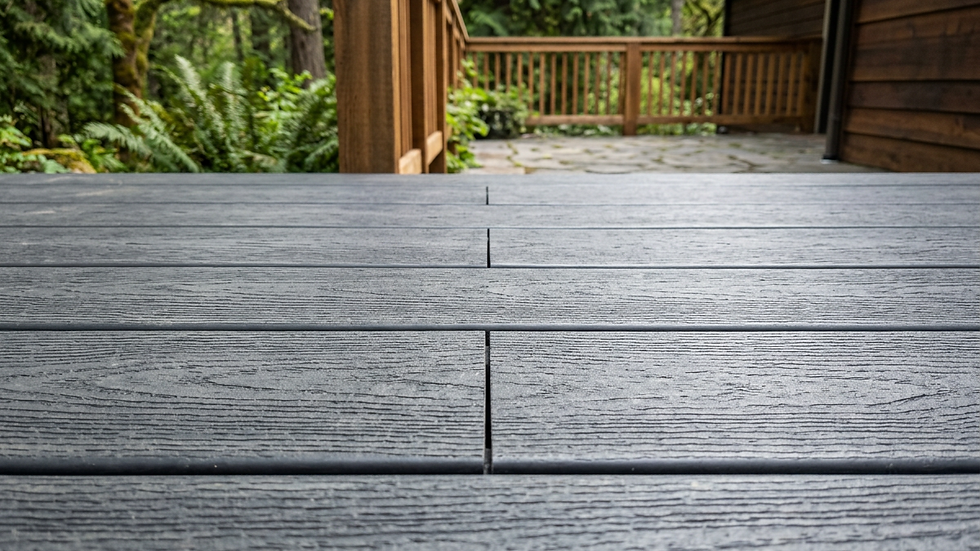
Fiberon also offers a wide range of woodgrain textures and color tones that replicate the look of natural hardwoods without the vulnerability to rot or weather damage. If you want a deck that looks premium and holds that appearance without constant upkeep, the visual consistency Fiberon delivers is a genuine advantage over untreated wood options.
Fiberon product lines and key features
Fiberon organizes its decking into three distinct tiers, so you can match your budget and performance needs without overpaying for features you don't use. Each tier builds on the last, adding more protection and a longer warranty as you move up the range.
The three main tiers
The entry-level Good Life series uses a capped composite construction that handles moisture well and comes in at a lower price point. Moving up, the Concordia and Paramount lines add full-perimeter capping, which shields all four sides of each board from stains and scratches. The premium Promenade series delivers the most complete protection, with enhanced UV resistance and Fiberon's best color retention across the lineup.
If you're building in a region with heavy rainfall or strong sun exposure, stepping up to a fully capped fiberon composite decking product pays off in long-term durability.
Series | Cap Type | Best For |
|---|---|---|
Good Life | Partial cap | Budget-focused builds |
Concordia / Paramount | Full perimeter cap | Mid-range performance |
Promenade | Full perimeter cap + UV | Premium durability |
Understanding which tier fits your project before you request quotes saves you from either overspending or landing on a product that underperforms for your specific conditions.
Pros and cons to know before you buy
No decking product is perfect for every situation, and fiberon composite decking is no exception. Understanding both sides before you buy helps you set realistic expectations and avoid surprises once your deck is built.
Where Fiberon performs well
Fiberon's biggest strengths are durability and low maintenance. The capped composite construction holds up against moisture, UV exposure, and heavy foot traffic better than untreated wood. You also get consistent color and texture without the annual upkeep cycle that real wood demands, which is a real advantage for busy homeowners.
Fiberon's full-perimeter capping on its mid and premium lines is one of the strongest defenses against staining and scratching available in composite decking today.
Where Fiberon falls short
The most notable drawback is upfront cost. Fiberon runs higher than pressure-treated wood and some entry-level composite brands, which can challenge tighter budgets. You also need to factor in heat retention, since composite boards absorb more heat than wood under direct sun, making barefoot use uncomfortable on hot summer afternoons. If your deck faces full south exposure for most of the day, that is worth planning around before you finalize your material choice.
Cost, lifespan, and warranty details
Budgeting for fiberon composite decking means looking beyond the board price alone. Installation, fasteners, and framing all factor into your total project cost, so getting a complete quote before committing saves you from sticker shock later.
What you'll pay per square foot
Fiberon boards typically run $3 to $8 per square foot for materials, depending on which series you select. The Good Life entry line sits at the lower end, while the premium Promenade series pushes toward the top of that range. Installed costs, including labor, generally land between $20 and $45 per square foot for most residential projects in the Kirkland area.
Lifespan and warranty coverage
A properly installed Fiberon deck holds up well for 25 to 30 years under normal residential use. The company backs that durability with a 25-year limited warranty on most product lines, covering stain, fade, and structural integrity. The Promenade series extends that to a 50-year warranty, which reflects the higher-grade materials used.
Fiberon's warranty covers both fading and staining, which is stronger coverage than many competing composite brands offer at similar price points.
Reviewing the specific warranty terms before purchase ensures you understand what conditions apply and what documentation you need to keep on file.
Fiberon vs Trex and TimberTech
When you compare the top composite brands, [price, warranty strength, and surface protection](https://www.legacyexteriorspro.com/post/composite-decking-vs-pvc-decking) are the three factors that separate them most clearly. Understanding where Fiberon composite decking sits relative to Trex and TimberTech helps you narrow your choice before requesting quotes.
The right composite brand for your deck depends more on your specific performance needs and budget than on brand name recognition alone.
Fiberon vs Trex
Trex holds the highest market recognition, but Fiberon typically costs less per square foot at comparable performance tiers. Trex's Transcend line and Fiberon's Paramount are direct competitors, with Fiberon often delivering similar warranty coverage and surface protection at a lower price point.
Factor | Fiberon | Trex |
|---|---|---|
Mid-tier cost | Lower | Higher |
Best warranty | 50 years | 25 years |
Full perimeter cap | Yes | Yes |
Fiberon vs TimberTech
TimberTech, owned by AZEK, targets the premium and ultra-premium segment with deeper woodgrain textures and a full PVC product line. Fiberon's Promenade series competes well at the premium level, but TimberTech's PVC-based boards handle heat retention better than composite options.
If your deck faces direct south sun for most of the day, TimberTech's AZEK full-PVC line is worth comparing alongside Fiberon before you commit to a material.
Next steps for your deck
Fiberon composite decking gives you a durable, low-maintenance surface that holds up through years of Pacific Northwest weather without constant upkeep. You now have a clear picture of which product tiers exist, what they cost, and how Fiberon compares to Trex and TimberTech at similar price points.
The next step is getting a real number tied to your specific project. Deck size, framing condition, and the Fiberon series you choose all affect your final cost, and the only way to know what your build will run is to talk through the details with someone who installs these products regularly.
Legacy Exteriors LLC builds custom decks across the Kirkland area and surrounding communities, and we work with Fiberon alongside other leading composite brands. We give you a locked-in price quote with no surprises at the end. Request your free deck quote today and we'll get your project moving in the right direction.