Composite Decking vs PVC Decking: Costs, Durability & Care

Updated: May 4
Choosing between composite decking vs PVC decking: A Comprehensive Guide for Homeowners in Kirkland, Bellevue, and Bothell
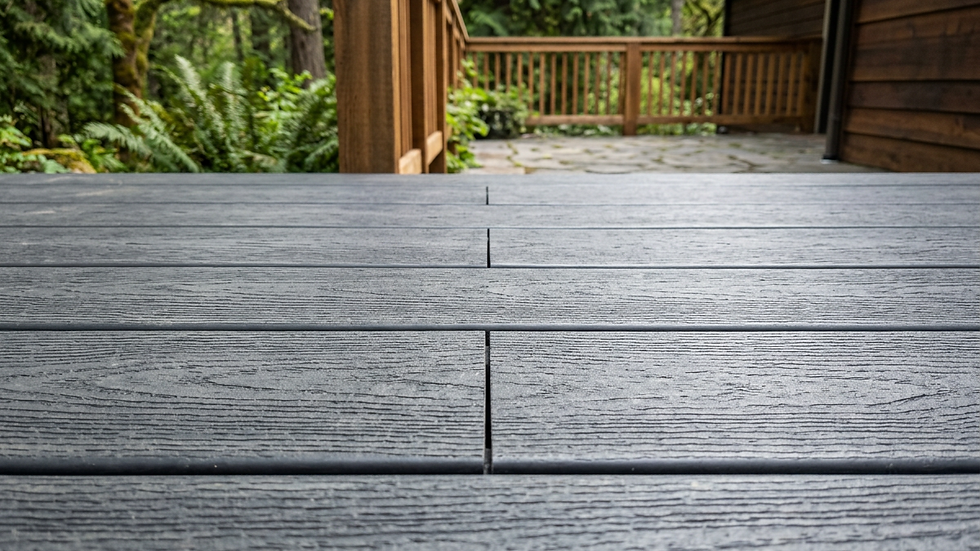
Choosing between composite decking vs PVC decking is one of the most common decisions homeowners face when planning a new deck. Both materials promise low maintenance and long-lasting performance, but they're built differently. These differences affect everything from how much you'll spend upfront to how the deck holds up ten years down the road.
At Legacy Exteriors LLC, we design and build custom decks across Kirkland and the surrounding areas. We've installed both composite and PVC decking on numerous projects. Our hands-on experience gives us a clear picture of where each option excels and where it falls short.
This article breaks down the real differences between composite and PVC decking. We cover material composition, cost, durability, moisture resistance, and maintenance. Whether you're replacing a worn-out deck or building one from scratch, you'll walk away with enough information to make a confident, informed choice for your home.
Why the Material Choice Matters in Kirkland
Kirkland sits in one of the wettest corners of the country. Average annual rainfall in the greater Seattle area hovers around 38 inches. The region sees consistent moisture from October through April. That kind of prolonged wet exposure pushes deck materials hard. The wrong material choice can lead to warping, mold growth, or structural failure within just a few years of installation.
Moisture and Rain Exposure
The Pacific Northwest doesn't just bring rain; it brings months of continuous dampness. Composite decking contains wood fiber, which absorbs some moisture over time if the surface coating is compromised or damaged. PVC decking contains no wood fiber at all, making it inherently more resistant to water absorption. In Kirkland specifically, this distinction carries more weight than it would in a drier climate like Phoenix or Denver.
In a climate where your deck stays wet for months at a time, moisture resistance is a baseline requirement, not a bonus feature.
Temperature Variation and UV Exposure
Both materials also experience meaningful temperature swings throughout the year. These range from cold, damp winters to dry summers with stretches of direct sun. Both composite and PVC expand and contract with temperature changes, but they do so at different rates. PVC expands more noticeably in heat, which means installation gaps and fastener placement matter more when your deck faces full sun. The UV exposure Kirkland sees each summer can also fade deck surfaces over time. Fade resistance varies significantly between material types and product lines.
Why Getting This Decision Right Matters
When you're weighing composite decking vs PVC decking for your Kirkland home, you're choosing how well your outdoor space holds up through rain-soaked winters, humid springs, and warm summers. Selecting the right material upfront protects your investment. It keeps you from dealing with premature repairs or a full replacement after just a handful of years. The climate here makes that decision more consequential than most homeowners initially expect.
Composite Decking Explained
Composite decking is made from a blend of wood fiber and plastic, typically recycled materials like sawdust and polyethylene. Manufacturers bond these materials together and add a protective outer capping layer on most modern products. This creates a surface that resists stains, fading, and moisture better than traditional pressure-treated wood.
What Composite is Made Of
The core of most composite boards contains roughly 50 to 60 percent wood fiber with the remainder being plastic resin. That wood content gives the material its familiar look and a natural feel underfoot. Capped composite products coat the wood-plastic core on three or four sides with a shell of pure plastic. This significantly improves performance compared to older uncapped versions.

Capped composite decking provides a far better moisture barrier than uncapped composite, so always confirm which type you're purchasing before signing any contracts.
How It Handles Daily Use
Composite decking holds up well underfoot traffic, furniture weight, and general outdoor wear. The wood fiber inside gives it a slightly softer and warmer feel than full-plastic alternatives in both hot and cold conditions. When comparing composite decking vs PVC decking for everyday comfort, many homeowners prefer the way composite feels barefoot on a summer afternoon.
One important consideration is that scratches and deep gouges can expose the wood fiber core in uncapped boards. This creates a pathway for moisture in wet climates like Kirkland.
PVC Decking Explained
PVC decking is made from 100 percent polyvinyl chloride, with no wood fiber in the core. That single difference separates it from composite and defines how it performs in wet, demanding climates like Kirkland's.
What PVC is Made Of
Manufacturers produce these boards entirely from plastic resin compounds. Often, they include added UV inhibitors, colorants, and stabilizers mixed into the material during production. Because there's no organic material inside, PVC cannot absorb water, rot, or support mold growth the way wood-based products can. When you're comparing composite decking vs PVC decking on moisture resistance alone, PVC holds a clear advantage.
PVC decking eliminates wood fiber entirely, which removes moisture absorption from the equation. It makes it a strong candidate for consistently wet environments.
How It Handles Daily Use and Heat
PVC handles direct moisture exposure and standing water better than any other deck material on the market. However, it expands and contracts more aggressively with temperature changes than composite does. Therefore, proper installation gaps are critical, especially on south-facing decks that absorb full afternoon sun. Kirkland summers can push surface temperatures well above ambient air temperature. PVC decks can feel noticeably hotter underfoot during those stretches.
One trade-off worth noting is that PVC boards can feel less natural underfoot compared to composite. Some homeowners find the surface harder and less forgiving than composite's wood-fiber blend, particularly in colder months.
Composite vs PVC Costs and Lifetime Value
When you compare composite decking vs PVC decking on cost, the gap is real but not enormous. Both materials cost significantly more upfront than pressure-treated wood. However, both also deliver lower maintenance costs over time. This changes how you should think about the full investment.
Upfront Material Costs
Composite decking typically runs $4 to $10 per linear foot for the boards alone. This depends on the brand, capping style, and color options you select. PVC decking generally costs $7 to $13 per linear foot, putting it at the higher end of the synthetic decking market. Add labor, fasteners, and framing, and a 400-square-foot deck can range considerably based on the material you choose.
Material | Board Cost (per linear ft) | Estimated 400 sq ft deck total |
|---|---|---|
Composite | $4 - $10 | $15,000 - $25,000 |
PVC | $7 - $13 | $20,000 - $30,000 |
Long-Term Value and Lifespan
Both materials carry warranties ranging from 25 to 30 years from most major manufacturers. This signals how seriously they're built to last. Composite decking requires occasional cleaning and board replacement if surface damage occurs. In contrast, PVC demands almost no structural maintenance beyond regular washing.
PVC's higher starting price can make financial sense for homeowners in wet climates. It helps eliminate wood-fiber-related risks for the full life of the deck.
Over a 25-year window, PVC's moisture resistance often offsets a meaningful portion of its higher upfront cost by keeping repair and replacement expenses low.
How to Choose and Care for Your Deck
When deciding between composite decking vs PVC decking, the best choice comes down to your specific priorities and how your outdoor space gets used. Neither material is universally better, but certain conditions favor one over the other.
Choosing the Right Material for Your Situation
If your deck faces prolonged moisture exposure or sits in a shaded area that stays damp for months, PVC's wood-free composition gives it a clear edge. If you want a warmer, more natural feel underfoot and plan to invest in a quality capped composite product, composite decking delivers strong performance at a slightly lower price point.
Your climate and how the deck is positioned on your property should drive this decision more than aesthetic preferences alone.
Caring for Your Deck Over Time
Both materials are low maintenance by design, but they still need regular attention to stay in good shape. Cleaning your decktwo to three times per year with a mild soap solution and a soft-bristle brush removes dirt, pollen, and organic buildup. This prevents staining the surface or trapping moisture beneath furniture.
Avoid pressure washing on high settings. Excessive force can scratch the capping layer on composite boards and degrade the surface finish on PVC. Keeping furniture pads under heavy pieces also prevents concentrated wear. This helps both material types look sharp for years.
Final Takeaways
The composite decking vs PVC decking decision comes down to one core question: how much moisture does your deck face, and how much are you willing to invest upfront to manage it? Composite decking delivers a natural look and feel at a lower starting price. It makes it a strong option for homeowners who select quality capped products and stay on top of regular maintenance. PVC decking removes wood fiber entirely. This gives it a clear edge in wet climates like Kirkland, where prolonged rain and standing moisture are facts of life for months at a time. Both materials outperform traditional wood on lifespan and upkeep. They both carry long manufacturer warranties that reflect their durability. The right choice depends on your budget, your deck's orientation, and your long-term goals for the space.
If you're ready to move forward, request a free deck quote from Legacy Exteriors. We'll help you select the right material for your specific project and property.