Cost To Replace Deck Boards: 2026 Price Per Sq Ft Guide

Worn-out, splintering, or warped deck boards don't just look bad, they're a safety issue. If you've started researching the cost to replace deck boards, you're probably staring at a deck that's seen better days and trying to figure out what this project will actually run you. The answer depends on several factors: the material you choose, the size of your deck, and whether you tackle the work yourself or hire a contractor.
In this guide, we break down 2026 pricing per square foot for the most common decking materials, from pressure-treated lumber to premium composites. We'll compare labor costs, material costs, and the real-world trade-offs between DIY and professional installation so you can make a decision that fits your budget and your property.
At Legacy Exteriors LLC, we build and replace decks across Kirkland and the surrounding area every week. That hands-on experience gives us a clear picture of what these projects actually cost, not just what a national average says they should. We've put that knowledge into this guide to help you plan with confidence before a single board gets pulled up.
Why deck board replacement costs vary so much
When homeowners ask about the cost to replace deck boards, they usually expect a single number. The reality is that the final price for the same 300-square-foot deck can swing by thousands of dollars depending on a handful of variables. Understanding each factor before you request a quote helps you build a realistic budget rather than getting caught off guard mid-project.
Material type and quality
The material you choose is the single biggest driver of your overall project cost. Pressure-treated pine sits at the affordable end of the spectrum, while hardwoods like Ipe and premium composites like Trex Transcend can cost three to five times more per square foot. That gap adds up fast on any deck larger than 200 square feet.
Beyond the upfront price, material quality affects your long-term costs too. A cheaper board that needs replacing again in seven years ends up costing more over time than a durable composite that holds up for 25 years with minimal maintenance. When you're pricing materials, factor in both the install cost and what maintenance or replacement looks like down the road.
The material decision is where most homeowners either lose or save the most money on a decking project.
Deck size and layout complexity
Larger decks cost more in raw materials, which is straightforward, but the layout also matters significantly. A simple rectangular deck is faster and cheaper to board than one with curves, multiple angles, built-in benches, or stairs. Each design element adds cutting time and creates material waste, both of which push your labor costs higher.
Tight spaces and limited access raise prices as well. A second-story deck that requires scaffolding or special equipment to work on safely costs more to service than a ground-level platform. When you request a quote, be upfront about your deck's layout and any access challenges so the estimate reflects your actual project rather than a simple baseline.
Substructure condition
Most people focus on the surface boards, but what sits underneath matters just as much. If the joists, beams, or ledger board show rot or structural damage when your contractor pulls the old boards up, those repairs get added to the total project cost. Skipping substructure repairs to save money today creates far bigger problems later.
A thorough inspection before work begins is the right approach. At Legacy Exteriors, we check the full substructure before we finalize any quote, so you know exactly what you're dealing with before a single board comes off. That transparency keeps the project on budget from start to finish.
Local labor rates and contractor demand
Labor costs vary by region, and the Pacific Northwest market runs above the national average for skilled trades. In Kirkland and surrounding areas like Bellevue, Redmond, and Bothell, experienced deck contractors charge more because the cost of living and business overhead is higher here compared to other parts of the country.
Seasonal demand also shifts pricing in ways that catch a lot of homeowners off guard. Spring and early summer are peak season for deck work in this area, which means contractor schedules fill quickly and rates reflect that pressure. If your timeline is flexible, booking the project in late summer or fall can sometimes get you better availability and a more competitive price.
2026 price per sq ft for wood and composite
When you're budgeting for the cost to replace deck boards, having real numbers to work with makes planning much easier. Prices shift year to year based on lumber markets, material supply chains, and regional demand. The ranges below reflect 2026 pricing in the Pacific Northwest, which runs slightly higher than national averages due to local labor rates and material costs in this market.
Wood decking: pressure-treated, cedar, and hardwood
Pressure-treated lumber remains the most budget-friendly option, typically running $3 to $6 per square foot for materials alone. Cedar is a popular step up, offering natural rot resistance and a cleaner grain, with material costs landing between $5 and $9 per square foot. Hardwoods like Ipe and Teak sit at the premium end, ranging from $10 to $20 or more per square foot depending on availability and current market conditions.
Wood boards require regular upkeep to hold up well over time. Without periodic sealing or staining every two to three years, even treated lumber can crack, warp, or splinter, which adds real dollars to your long-term ownership costs that often go unaccounted for during initial budgeting.
Factor in the cost of staining or sealing alongside the install price when you're comparing wood options, because that maintenance expense adds up quickly over a decade.
Composite and PVC decking costs
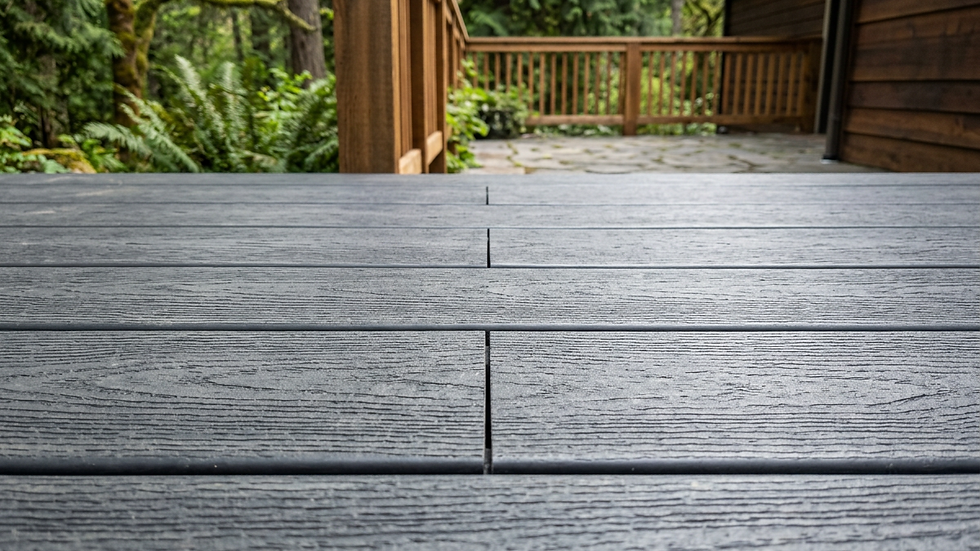
Composite decking typically costs between $7 and $15 per square foot for materials, with premium product lines sitting at the higher end of that range. PVC decking runs similarly, from $8 to $16 per square foot, and delivers even stronger resistance to moisture and insects than standard composite boards.
Here's a side-by-side look at 2026 material cost ranges per square foot for the most common decking options:
Material | Material Cost (per sq ft) |
|---|---|
Pressure-treated lumber | $3 - $6 |
Cedar | $5 - $9 |
Hardwood (Ipe, Teak) | $10 - $20+ |
Composite (standard) | $7 - $12 |
Composite (premium) | $10 - $15 |
PVC | $8 - $16 |
Composite and PVC boards carry a higher upfront price, but maintenance costs drop significantly compared to wood alternatives. Most composite products include 25-year warranties and need little beyond occasional cleaning. For homeowners planning to stay in their property long term, that lower maintenance burden often makes composite or PVC the smarter financial choice when you run the numbers over a full decade of ownership.
Labor, disposal, and repair add-ons to budget
Material costs tell only part of the story when you're calculating the cost to replace deck boards. Labor, debris removal, and any substructure repairs that surface during the job all add real dollars to your total project budget. Planning for these line items upfront prevents the frustration of a quote that grows unexpectedly once work is already underway.
Labor costs per square foot
Professional deck installation labor in the Kirkland area typically runs $3 to $7 per square foot on top of your material costs. For a 300-square-foot deck, that means labor alone adds $900 to $2,100 to your total. Complex layouts with angles, stairs, or multiple levels push that rate higher because they require more cutting time and skilled work to execute correctly.
Some contractors price labor as a flat project rate rather than per square foot, which can work in your favor on larger jobs. Always ask how labor is structured before you agree to an estimate so you can compare quotes accurately across different contractors.
Labor often accounts for 40 to 50 percent of a total deck board replacement job, so never budget for materials alone.
Disposal and haul-away fees
Pulling up old deck boards creates a significant pile of debris, and hauling that material away costs money. Most contractors include disposal in their quote, but not all of them do. Expect to pay between $150 and $400 for debris removal depending on your deck size and the total volume of old material.
Handling disposal yourself to cut costs is an option, but check with your local municipality about bulk pickup schedules or drop-off locations for wood waste first. Some treated lumber requires special disposal handling, so confirm that before assuming a standard drop-off works.
Substructure repairs and hidden add-ons
When a contractor removes your old boards, what they find underneath can change your budget significantly. Rotted joists, damaged ledger boards, or corroded hardware all need addressing before new boards go down. Skipping these repairs creates structural and safety risks that cost far more to correct after the project is complete.
Joist repairs typically run $5 to $12 per linear foot, while ledger board replacement can add $200 to $600 or more depending on scope and accessibility. Ask your contractor to include a substructure inspection in their process and document any findings before you finalize your total project cost.
DIY vs hiring a pro in Kirkland and nearby
Deciding between doing the work yourself and hiring a contractor directly affects your total cost to replace deck boards and the quality of the final result. Both paths have real trade-offs, and the right choice depends on your skill level, available time, and how complex your specific deck project is.
What DIY actually costs you
Taking the DIY route can save you $3 to $7 per square foot in labor, which sounds significant on paper. For a 300-square-foot deck, that's a potential savings of $900 to $2,100. However, those savings come with real costs that don't always show up in the initial math.
Tool rental or purchase adds up quickly if you don't already own a circular saw, drill, pry bar, and safety equipment. Renting the necessary tools for a weekend project in the Kirkland area can run $100 to $300, and mistakes during installation can mean buying additional material to replace boards that were cut incorrectly or split during the process. Factor those possibilities into your savings estimate before committing.
A single miscalculation on composite decking material can erase most of the labor savings you were counting on.
DIY also works best when your substructure is in solid, sound condition. If you pull up old boards and find rotted joists or a damaged ledger, you're suddenly facing structural repairs that require knowledge most homeowners don't have. At that point, calling a professional mid-project typically costs more than if you had hired one from the start.
When a pro makes more financial sense
Hiring a licensed contractor in Kirkland or nearby areas like Redmond, Bellevue, or Bothell gives you accurate material estimates, proper substructure evaluation, and clear accountability for the finished work. Experienced deck contractors make fewer errors, waste less material, and complete the job in a fraction of the time most homeowners need.
Professional contractors also carry liability insurance and workers' compensation coverage, which protects you if something goes wrong on your property during the project. That protection carries real value, particularly on elevated decks or jobs that require permits.
Local permit requirements in Kirkland apply to many deck projects, and a licensed contractor handles that process as part of the job. Navigating permits on your own adds time and complexity that most homeowners significantly underestimate when they first consider the DIY path.
How to estimate your total replacement cost
Getting a reliable estimate for the cost to replace deck boards on your specific property doesn't require a contractor visit to get started. You can build a solid working number yourself by combining your deck's square footage with current material and labor rates, then adding a buffer for any repairs the job might uncover. That ballpark figure gives you a realistic baseline before you request formal quotes.
Start with your deck's square footage
Measuring your deck accurately is the foundation of any cost estimate. Multiply the length by the width for a rectangular deck to get your total square footage. If your deck has irregular sections, stairs, or cutouts, break the space into simple rectangles, calculate each one separately, and add them together for your total.
Add 10 percent to that number to account for material waste from cuts and board overlap. Composite and hardwood boards are expensive enough that under-ordering and making a second trip to the supplier costs real time and money, so building that buffer into your material order from the start is the smarter move.
Build your cost range by material
Once you have your square footage, multiply it by the material cost per square foot for the decking option you're considering. Use the lower end of the range for a best-case estimate and the higher end for a conservative one. That gives you a cost window rather than a single number, which is how real projects actually price out.
Running both a low and high estimate gives you a negotiating range when you sit down with a contractor, and it prevents sticker shock if material prices have shifted recently.
Here's a simple formula to apply:
Materials estimate: Square footage x material cost per sq ft (+ 10% waste buffer)
Labor estimate: Square footage x $3 to $7 per sq ft
Disposal: Add $150 to $400 flat
Substructure contingency: Add 10 to 15% of your materials total as a buffer
Add labor and contingency
Add your labor range on top of your material estimate to reach a full project cost window. Then factor in a contingency of 10 to 15 percent for substructure repairs that might surface once old boards come off. On a 300-square-foot deck using mid-range composite, your total estimate including labor, disposal, and contingency could realistically land between $5,500 and $9,000 depending on what the substructure looks like and which contractor you hire.
What to do next
Now you have a clear picture of what drives the cost to replace deck boards and what a realistic budget looks like for your project. You know how material choices, substructure condition, and local labor rates all shape your final number, and you have a working formula to estimate your own costs before anyone sets foot on your property.
The next step is getting a professional set of eyes on your deck. A proper inspection confirms whether your substructure is sound, identifies any repairs that need to happen before new boards go down, and gives you an accurate project quote with no surprises at the end. Legacy Exteriors LLC handles deck board replacements across Kirkland and the surrounding areas, and we lock in your price before work begins so your budget stays intact.
Request your free deck inspection and quote and we'll walk you through exactly what your project needs.