Understanding Deck Board Replacement Costs: A Complete Breakdown

Replacing deck boards is a crucial home maintenance task that can significantly enhance the safety, appearance, and value of your outdoor living space. If you live in the Seattle area, including Kirkland, Bellevue, Bothell, or nearby communities, understanding the deck board replacement costs can help you plan your budget wisely and make informed decisions. In this post, I’ll walk you through the key factors that influence the cost, how often you should consider replacing your deck boards, and practical tips to get the best value for your investment.
What Influences Deck Board Replacement Costs?
When it comes to replacing deck boards, several factors come into play that affect the overall price. Knowing these will help you anticipate expenses and avoid surprises.
1. Type of Deck Board Material
The material you choose for your deck boards is one of the biggest cost drivers. Here are some common options:
Pressure-treated wood: This is the most affordable and widely used option. It’s treated to resist rot and insects but requires regular maintenance.
Cedar or redwood: These natural woods are more expensive but offer better resistance to decay and a beautiful finish.
Composite decking: Made from recycled wood fibers and plastic, composite boards are pricier upfront but require less maintenance and last longer.
Exotic hardwoods: These are premium options with high durability and stunning aesthetics but come with a higher price tag.
2. Size and Complexity of the Deck
The total square footage of your deck and its design complexity affect labor and material costs. Larger decks require more boards and longer labor hours. Intricate designs with curves or multiple levels can increase installation time and cost.
3. Labor Costs in the Seattle Area
Labor rates vary by region, and in the Seattle metro area, including Kirkland, Bellevue, and Bothell, you can expect skilled carpenters to charge between $40 and $75 per hour. Experienced contractors who emphasize quality workmanship may charge on the higher end but provide better long-term value.
4. Removal and Disposal of Old Boards
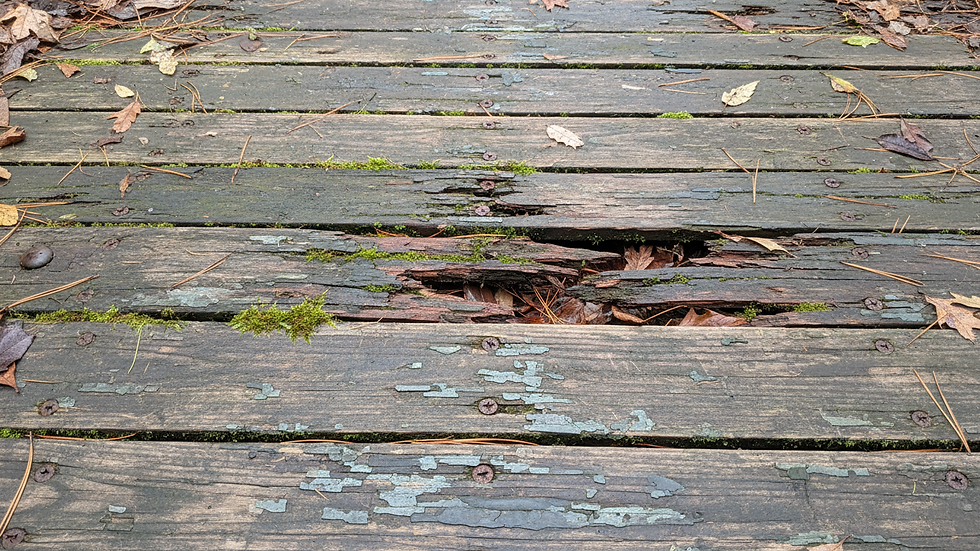
If your deck boards are damaged or rotting, removing and disposing of the old material adds to the cost. This process requires time and proper disposal methods, especially for treated wood.
5. Additional Repairs
Sometimes, replacing deck boards reveals underlying issues such as damaged joists or supports. Addressing these problems will increase the overall project cost but is essential for safety and durability.

Deck Board Replacement Costs: What to Expect in Seattle and Surrounding Areas
To give you a clearer picture, here’s a rough estimate of what you might expect to pay for deck board replacement in the Seattle area:
| Material Type | Average Cost per Square Foot (Materials + Labor) |
|----------------------|--------------------------------------------------|
| Pressure-treated wood | $15 - $25 |
| Cedar or Redwood | $25 - $35 |
| Composite decking | $30 - $45 |
| Exotic hardwoods | $40 - $60 |
For example, replacing 200 square feet of pressure-treated wood deck boards could cost between $3,000 and $5,000, including labor and materials. Keep in mind that prices can vary based on the factors mentioned earlier.
If you want a detailed estimate tailored to your specific deck, you can check out the cost to replace deck boards for more information.
How Often Should Deck Boards Be Replaced?
Knowing when to replace your deck boards is just as important as understanding the costs. Here are some guidelines to help you decide:
Pressure-treated wood: Typically lasts 10 to 15 years with proper maintenance. Signs of wear include splintering, warping, and rot.
Cedar or redwood: Can last 15 to 20 years but requires regular sealing and staining to maintain durability.
Composite decking: Usually lasts 25 years or more with minimal upkeep.
Exotic hardwoods: These can last 25 to 30 years or longer if properly cared for.
Regular inspections are key. Look for:
Soft spots or spongy areas when you step on the boards
Visible cracks, splinters, or rot
Loose or protruding nails and screws
Discoloration or mold growth
If you notice any of these signs, it’s time to consider replacing your deck boards to maintain safety and curb appeal.
Tips for Getting the Best Value When Replacing Deck Boards
Replacing deck boards is an investment in your home’s exterior. Here are some tips to ensure you get the best value:
1. Choose Quality Materials That Fit Your Budget
While it might be tempting to go for the cheapest option, investing in higher-quality materials can save you money in the long run by reducing maintenance and extending the lifespan of your deck.
2. Hire Experienced Local Contractors
Working with contractors familiar with Seattle’s climate and local building codes ensures your deck replacement is done right the first time. Ask for references and verify credentials.
3. Plan for Seasonal Timing
Scheduling your deck replacement during the dry months (late spring to early fall) can help avoid weather delays and potential water damage during installation.
4. Consider Partial Replacement
If only certain sections of your deck are damaged, replacing just those boards can be a cost-effective solution rather than a full deck overhaul.
5. Maintain Your Deck Regularly
After replacement, regular cleaning, sealing, and inspections will prolong the life of your new deck boards and protect your investment.
Making Your Deck Replacement Project a Success
Replacing deck boards is a significant home improvement project that requires careful planning and budgeting. By understanding the factors that influence costs and knowing when to replace your boards, you can make smart decisions that enhance your outdoor living space.
If you live in Kirkland, Bellevue, Bothell, or nearby Seattle communities, taking the time to research and choose quality materials and skilled professionals will ensure your deck remains a safe, beautiful, and enjoyable part of your home for years to come.
If you’re ready to explore your options or want a personalized estimate, don’t hesitate to reach out to trusted local experts who prioritize transparency, quality workmanship, and real value. Your deck deserves the best care, and so do you.