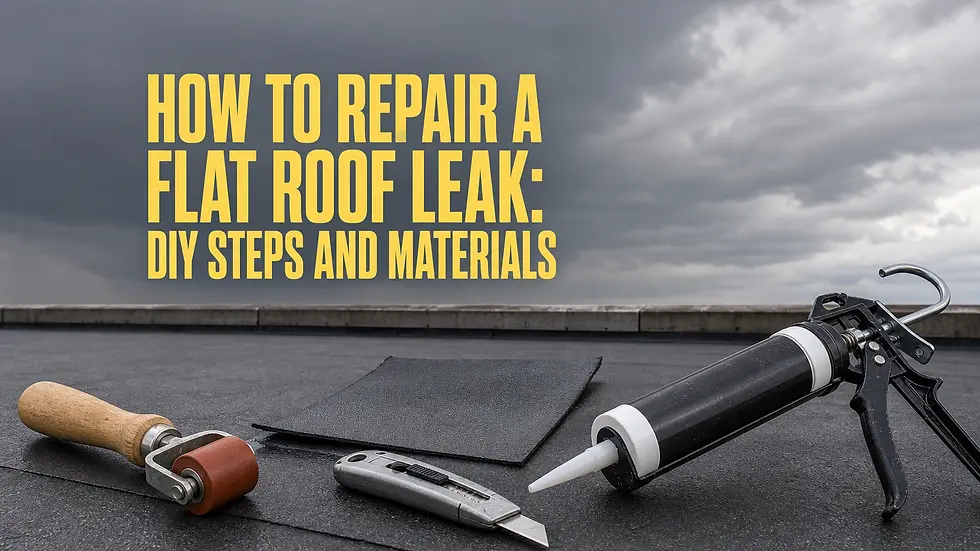
Temporary Roof Leak Fix: Fast DIY Steps Until Pros Arrive

Water dripping through your ceiling at 2 a.m. during a Pacific Northwest downpour isn't the time for calm deliberation. You need a temporary roof leak fix right now, something that stops the water, limits the damage, and buys you time until a professional crew can get on your roof. The good news is that most emergency leaks can be slowed or stopped with basic tools and materials you may already have at home.
At Legacy Exteriors LLC, we handle roof repairs across Kirkland, Bellevue, Redmond, and the surrounding areas every week. We've seen firsthand what happens when homeowners act fast, and what happens when they don't. A few minutes of targeted action can mean the difference between a minor ceiling stain and thousands of dollars in structural damage. That experience is exactly why we put this guide together: to give you a clear, step-by-step plan you can follow right now, even in the middle of a storm.
This guide walks you through how to locate the leak from inside your home, which temporary fixes actually work, what materials to use, and when it's time to call in a professional for a permanent solution. Every method listed here is one we'd recommend to our own clients. Let's get that leak under control so you can protect your home until the real repair happens.
Before you start: safety and quick triage
Before you grab tools and start your temporary roof leak fix, take two minutes to assess what you're dealing with. A wet roof during a Pacific Northwest storm is one of the most dangerous surfaces a homeowner can walk on, and injuries from falls cause more DIY casualties than the water damage ever would. Your priority right now is to protect yourself first, then protect your home.
Never get on a wet or actively rained-on roof unless the storm has fully stopped and you've confirmed the surface is safe to walk.
Assess the risk before you climb anything
Most temporary repairs can be done from inside the attic, which is always your safest starting point. Only consider going onto the roof itself if the rain has stopped, you have a partner spotting you from the ground, and you have non-slip footwear and a secured ladder. If any of those conditions aren't met, stick to interior fixes until conditions improve.
Run through this safety checklist before you do anything else:
Kill the power: If water is dripping near electrical fixtures, ceiling fans, or outlets, turn off the circuit breaker for that area immediately.
Clear the area: Move furniture, electronics, and valuables away from the leak before you do anything structural.
Check for ceiling bulges: Significant sagging means water has pooled above the drywall. Relieve that pressure by carefully poking a small hole at the lowest point so it drains in a controlled stream instead of collapsing.
Wear rubber-soled shoes: Whether you're in the attic or on the roof, grip matters on wet surfaces.
Use a headlamp: Attics are dark, and you need both hands free to work safely.
Triage the leak: find out how bad it is
Once you're safe, spend 60 focused seconds doing a fast triage to understand the scope of what you're dealing with. A single slow drip behaves very differently from a wide wet patch spreading across your ceiling. Knowing the difference helps you pick the right fix instead of burning time on a method that won't hold.
Look at three things: how many spots are actively dripping, whether the wet area is growing or stable, and whether the water appears discolored. Brown or dark water means it's been pooling for a while and likely signals a larger problem than a single cracked shingle. A single drip point with a stable wet spot usually suggests a small penetration, like a failed rubber boot around a vent pipe.
Multiple drip points or a rapidly spreading stain typically point to a more significant failure such as a missing shingle, cracked flashing, or a damaged valley section. Take a quick phone photo of where the water is entering, what the ceiling looks like, and the approximate location relative to nearby roof features like chimneys or vents. That documentation will save your contractor significant diagnostic time when they arrive for the permanent repair.
Step 1. Stop interior damage fast
Your first move isn't to fix the leak itself. It's to limit how much water reaches your belongings, floors, and structural components. Water that enters through the roof can spread sideways across ceiling joists, pooling in places you can't see before it soaks through. Moving quickly on interior containment in the first few minutes buys you a significant amount of time before real structural damage sets in.
Contain the water coming in
Set up a bucket or large container directly under the drip right away. If you only have one bucket, line it with a trash bag so you can empty and reset it faster without stopping to clean. Lay old towels or folded cardboard around the base of each container to catch any splash. For active drips hitting a ceiling fan or light fixture, turn off that circuit at the breaker immediately and avoid touching the fixture until it's dry.
If you notice the ceiling bulging or sagging, that pocket is holding standing water above your drywall. Take a screwdriver or thin tool and puncture a small hole at the lowest point of the bulge so the water flows down in a controlled stream into your bucket. This prevents a full ceiling collapse, which causes far more damage and cleanup than a single controlled drip.
Letting a bulging ceiling hold water is one of the costliest mistakes homeowners make during a roof emergency. Drain it on purpose before it drains itself.
Protect what's below
Move anything valuable away from the affected area before water reaches it. Electronics, rugs, upholstered furniture, and documents are your highest priority because they sustain the most irreversible damage from moisture. Lay plastic sheeting or a painter's drop cloth over anything too large to move quickly, like a piano or large sectional sofa.
Take a short video or a few photos of the active drip, the water stain on your ceiling, and any items that got wet before you could move them. This documentation matters for your homeowner's insurance claim and helps your roofing contractor understand the full scope of the interior damage when they arrive to complete your temporary roof leak fix assessment.
Step 2. Trace the leak without guessing
The spot where water drips through your ceiling rarely lines up directly with where the leak actually enters the roof. Water travels along rafters, insulation batts, and sheathing before it finds a low point and drips through. Chasing the wrong spot wastes precious time during an active leak, so a systematic approach from inside the attic is your most reliable starting point before you attempt any temporary roof leak fix.
Start in the attic with a flashlight
Go into your attic and shine your flashlight along the underside of the roof deck rather than pointing it straight at the surface. Look for wet wood, dark staining, white mineral deposits (chalky lines left by dried water), or actively dripping water on the rafters and sheathing. Follow the wet trail upward and toward the peak, because gravity pulls water down the slope before it drips, which means the actual entry point is almost always higher up than where you first find the moisture.
Use your free hand to feel along dry-looking rafters near the wet zone, since early-stage water migration often soaks into wood before it becomes visible. A damp rafter that looks dry under a flashlight is a reliable sign you're close to the source.
Mark the entry point with a piece of bright tape or push a nail up through the sheathing so you can locate the same spot from the roof surface once conditions allow.
Match the entry point to a roof feature
Once you find where water enters the attic, identify which roof feature sits closest to that spot. The vast majority of residential roof leaks originate at a penetration or a transition point, not in the middle of an open field of shingles. Check these locations first:
Roof Feature | What to Look For |
|---|---|
Pipe boots and vent collars | Cracked rubber gaskets or separated flashing |
Step and counter flashing | Gaps where flashing meets a wall or chimney |
Valley sections | Missing sealant or lifted shingles along the channel |
Ridge cap shingles | Cracked or missing caps near the peak |
Skylight perimeter | Failed caulk or lifted flashing along the frame |
Documenting the exact entry point with a quick photo from inside the attic, along with a rough measurement from the nearest wall or ridge, helps you and your contractor locate the same spot from the exterior once a safe roof inspection is possible.
Step 3. Apply an inside-the-attic patch
An inside-the-attic patch is the safest and most effective temporary repair you can make during an active storm, because it puts you on a stable surface with no fall risk. Once you've located the entry point using the method in the previous step, you can apply a temporary barrier directly to the interior side of the roof deck that slows or stops water from reaching your living space until a permanent repair is possible.
Materials you need for an attic patch
Gather your supplies before you climb into the attic, since working in a cramped, dark space while making multiple trips back and forth wastes time and increases the risk of a misstep. Most of these items are available at any hardware store, and there's a reasonable chance you already have several of them in your garage.
Here's what to collect:
Roofing tar or roof cement (a small bucket or tube)
A stiff putty knife or trowel for spreading
Heavy-duty plastic sheeting or a cut section of rubberized membrane
A headlamp with fresh batteries
Work gloves rated for tar or adhesive contact
Knee pads for moving across attic joists
How to apply the patch
Dry the target area as much as possible before you apply anything. Use old rags or paper towels to blot standing water off the sheathing around the entry point, because roofing cement won't bond reliably to soaking-wet wood. If the surface is too saturated to blot dry, lay a sheet of heavy-duty plastic sheeting over the area first, pressing it flat against the slope and extending at least 12 inches in every direction past the visible wet zone.
Apply a thick layer of roofing tar or roof cement directly over the entry point using your putty knife, working it into any visible crack or gap. If you're placing plastic sheeting, press the sheet firmly into the tar before it sets so the adhesive locks the barrier in place. This inside-the-attic method is a reliable temporary roof leak fix that holds well until your contractor can safely access the exterior surface for a permanent repair.
Roofing cement bonds best to a surface that is damp but not actively dripping, so blotting the area first makes a measurable difference in how long the patch holds.
Step 4. Cover the roof with a tarp
Tarping is the most effective exterior temporary roof leak fix you can apply without making a permanent repair, and it's the method most professional crews use when they need to protect a damaged roof between visits. You should only attempt this step after the rain has stopped completely and the roof surface has had at least a few minutes to lose its standing water. A dry surface gives you better footing and lets the tarp lay flat enough to actually keep water out.
Choose the right tarp size and material
Selecting the correct tarp before you climb saves you from making a second trip up the ladder with the wrong size. You want a tarp that extends well past the damaged area on all sides and reaches over the ridge peak so wind can't lift the upper edge and allow rain to funnel underneath. A tarp that only covers the damaged zone without extending over the ridge will almost always fail in the next storm.
Use this quick reference when selecting your tarp:
Damaged Area Size | Minimum Tarp Size | Material to Use |
|---|---|---|
Single shingle or small penetration | 8 ft x 10 ft | Heavy-duty polyethylene (6 mil or thicker) |
2-4 sq ft of missing shingles | 12 ft x 16 ft | Heavy-duty polyethylene (6 mil or thicker) |
Large section or valley damage | 20 ft x 30 ft | Reinforced woven poly with grommets |
Lightweight blue tarps rated below 6 mil thickness tend to tear in high wind and are not reliable for anything beyond very light weather. Spend the extra few dollars on a reinforced option.
How to secure the tarp safely
Lay the tarp so it drapes over the ridge by at least 4 feet on the unaffected side, then roll the uphill edge around a 2x4 board and nail the board directly to the roof deck to anchor it. On the downhill edges, use additional 2x4 boards or sandbags across the tarp's surface to hold it flat against the slope without creating gaps where wind can get underneath.
Never nail through the tarp alone without a board underneath, since the grommets and thin material will tear free under wind load in a matter of hours.
Walk the perimeter of the tarp after securing it to confirm no edges are lifted or folded, then check from the ground that the ridge coverage looks complete before you descend.
Step 5. Use sealants, tape, and patches correctly
When you can't access the attic effectively or a tarp isn't practical for the area you're sealing, sealants, waterproof tape, and peel-and-stick patches give you additional options for a temporary roof leak fix. Each product works differently, and applying the wrong one to the wrong surface produces a repair that fails within hours. Knowing which material to reach for based on your specific situation saves you from repeating the same fix twice in the same storm.
Pick the right product for the job
Not every sealant works on every surface, and temperature and surface moisture both affect how well these products bond. Use this quick reference to match the right material to your situation before you open anything:
Product | Best Use | Works When Wet? |
|---|---|---|
Roofing cement / roof tar | Cracks in flashing, gaps around penetrations | Partially (damp, not soaking) |
Butyl tape | Sealing seams and laps on flat or low-slope sections | No, surface must be dry |
Self-adhesive rubberized patch | Small holes or tears in membrane or shingles | Damp surfaces only |
Polyurethane roof sealant (caulk tube) | Gaps around vent boots, skylights, chimney edges | No, dry surface required |
Butyl tape and rubberized peel-and-stick patches are the most beginner-friendly options because they require no mixing or spreading tools. Roofing cement is more forgiving on damp surfaces but requires a trowel and takes a bit longer to apply correctly.
How to apply each product
Start by wiping the target surface with a dry rag to remove as much dirt and standing water as possible before applying anything. Press sealant or tape firmly into the gap or crack rather than spreading it thinly across the top, because a thin surface coat peels back faster than a material worked into the void itself.
A bead of polyurethane sealant pushed into a gap with your gloved finger seals far better than one simply laid across the surface.
For peel-and-stick patches, remove the backing and press the patch center-first to push out air bubbles, then smooth outward toward the edges. Run your thumb firmly along every seam edge to confirm the adhesive makes full contact with the surface beneath it and no lifted corners remain.
Next steps after you stop the drip
A successful temporary roof leak fix stops the immediate damage, but it does not replace the repair your roof actually needs. Temporary patches, tarps, and attic sealants have a limited lifespan, and most will fail within a few weeks without a permanent fix underneath them. The clock starts running the moment you stop the drip.
Your next move is to document everything while it's still fresh. Take photos of the patched area, the interior water staining, and any damaged belongings for your homeowner's insurance claim. Then call a licensed roofing contractor as soon as possible to schedule a professional inspection before the next weather system rolls through.
Legacy Exteriors serves Kirkland, Bellevue, Redmond, and surrounding communities with honest assessments and guaranteed locked-in price quotes so you know exactly what the permanent repair will cost before any work begins. Schedule your free roof inspection today and get your roof back in solid shape.