


Understanding Composite Decking Materials

When it comes to enhancing the outdoor living space of your home in Kirkland, Bellevue, Bothell, or the surrounding Seattle area, choosing the right decking material is crucial. Decks are more than just an extension of your home - they are a place to relax, entertain, and enjoy the beautiful Pacific Northwest scenery. One popular option that has gained traction over the years is composite decking. But what exactly makes composite decking materials stand out? Let’s dive into the details to help you make an informed decision for your next exterior upgrade.
What Are Composite Decking Materials?
Composite decking materials are engineered products made from a blend of wood fibers and plastic. This combination creates a durable, low-maintenance alternative to traditional wood decking. Unlike natural wood, composite decking resists rot, splintering, and insect damage, making it an excellent choice for the often damp and rainy climate of the Seattle area.
Composite decking typically consists of:
Wood fibers: These provide the natural look and feel of wood.
Plastic polymers: Usually recycled polyethylene or polypropylene, these add strength and weather resistance.
Additives: UV stabilizers and color pigments help maintain the deck’s appearance over time.
The result is a product that mimics the beauty of wood but offers enhanced longevity and less upkeep. If you’ve ever wondered what is composite decking, this blend of materials is the answer.
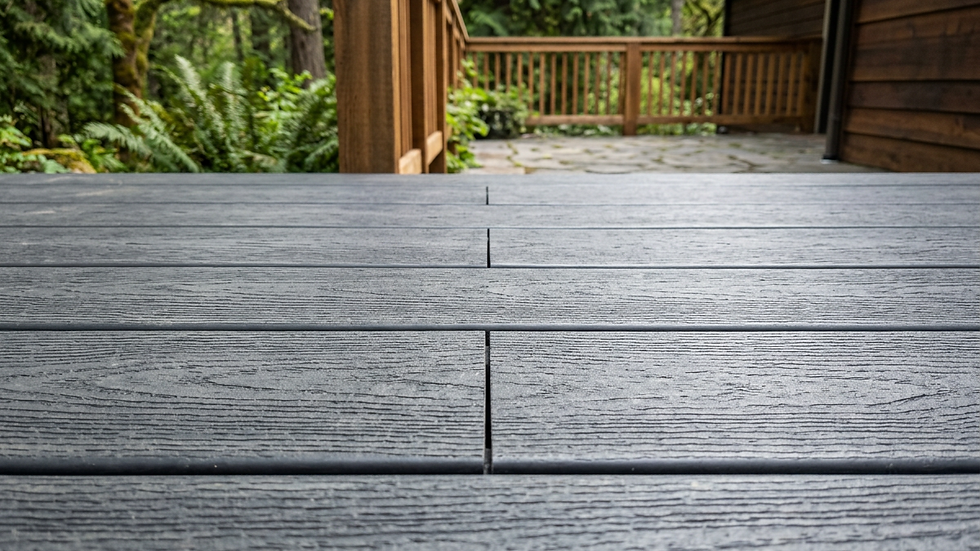
Benefits of Composite Decking Materials for Seattle-Area Homes
Living in the Pacific Northwest means dealing with a lot of moisture, occasional snow, and fluctuating temperatures. Composite decking materials are designed to withstand these conditions better than traditional wood. Here are some key benefits:
1. Durability and Weather Resistance
Composite decking resists moisture absorption, which prevents warping, cracking, and splintering. This is especially important in areas like Kirkland and Bellevue, where rain is frequent. The plastic component also protects against UV damage, so your deck won’t fade or discolor easily.
2. Low Maintenance
Unlike wood decks that require annual staining, sealing, or painting, composite decks only need occasional cleaning with soap and water. This saves you time and money while keeping your deck looking fresh year-round.
3. Eco-Friendly Options
Many composite decking products use recycled materials, reducing waste and environmental impact. Choosing composite decking can be a sustainable choice for homeowners who want to minimize their carbon footprint.
4. Aesthetic Variety
Composite decking comes in a wide range of colors, textures, and finishes. Whether you prefer a classic wood look or a modern, sleek design, there’s a composite option to match your style.
5. Safety
Composite decking is splinter-free and often features slip-resistant surfaces, making it safer for families with children or pets.

Which Is Better, Composite or PVC Decking?
When considering composite decking materials, you might also come across PVC decking as an alternative. Both have their advantages, but understanding their differences can help you choose the best fit for your home.
Composite Decking
Made from a mix of wood fibers and plastic.
Offers a natural wood appearance with grain textures.
Generally heavier and more rigid.
Can be more affordable than PVC.
Requires less maintenance than wood but more than PVC.
Performs well in wet climates but may absorb some moisture.
PVC Decking
Made entirely from polyvinyl chloride (plastic).
Does not contain wood fibers, so it won’t absorb moisture.
Lighter and more flexible than composite.
Typically more resistant to stains, scratches, and fading.
Usually more expensive upfront.
Offers a smooth, uniform finish that some homeowners prefer.
For Seattle-area homeowners, both options provide excellent weather resistance. However, if you want a deck that looks and feels more like natural wood, composite decking materials are often the preferred choice. On the other hand, if you prioritize maximum durability and minimal maintenance, PVC decking might be worth considering.
How to Choose the Right Composite Decking Material for Your Home
Selecting the right composite decking material involves more than just picking a color or texture. Here are some practical tips to guide your decision:
1. Consider Your Climate
Seattle’s wet climate means moisture resistance is key. Look for composite decking with high-quality plastic content and protective coatings to prevent mold and mildew growth.
2. Evaluate Your Budget
Composite decking prices vary widely. While it’s tempting to go for the cheapest option, investing in a reputable brand with good warranties can save you money in the long run by avoiding repairs or replacements.
3. Think About Maintenance
If you want a deck that requires minimal upkeep, choose composite decking with protective caps or coatings. These features help resist stains and fading.
4. Match Your Home’s Style
Composite decking comes in many colors and finishes. Select a style that complements your home’s exterior and landscaping. Earth tones and natural wood hues tend to blend well with the greenery common in the Seattle area.
5. Check for Local Availability
Working with local suppliers and contractors in Kirkland, Bellevue, or Bothell ensures you get materials suited for the regional climate and expert installation.
Installation and Longevity of Composite Decking
Proper installation is critical to maximizing the lifespan and performance of composite decking materials. Here’s what you should know:
Professional Installation: Hiring experienced contractors familiar with composite decking ensures the boards are spaced correctly for expansion and contraction, and that the substructure supports the weight.
Ventilation: Good airflow beneath the deck prevents moisture buildup and prolongs the decking’s life.
Fasteners: Use corrosion-resistant screws or hidden fasteners designed for composite materials to avoid staining and damage.
Lifespan: With proper care, composite decks can last 25-30 years or more, making them a smart long-term investment.
Regular cleaning and inspection will keep your deck looking great and functioning well for years to come.
Enhancing Your Outdoor Space with Composite Decking
Composite decking materials open up many possibilities for creating a beautiful and functional outdoor living area. Here are some ideas to consider:
Multi-Level Decks: Use composite boards to build layered decks that define different zones for dining, lounging, or gardening.
Integrated Seating: Built-in benches made from composite materials provide durable, weather-resistant seating.
Planter Boxes: Composite decking can be used to create matching planter boxes that add greenery and color.
Lighting: Incorporate LED deck lighting for ambiance and safety during evening gatherings.
Railings and Accessories: Many composite decking brands offer matching railings, stairs, and trim for a cohesive look.
By choosing composite decking, you’re investing in a versatile material that enhances both the beauty and functionality of your outdoor space.
Choosing the right decking material is a big decision, especially when you want a product that stands up to the unique weather conditions of the Seattle area. Composite decking materials offer a compelling combination of durability, low maintenance, and aesthetic appeal. Whether you’re in Kirkland, Bellevue, Bothell, or nearby communities, understanding these materials helps you make a confident choice that adds real value to your home’s exterior.
If you’re ready to explore decking options or have questions about exterior upgrades, don’t hesitate to reach out to local experts who understand the needs of Seattle-area homeowners. Your perfect deck is just a step away.


